
After the Storm: What Jupiter Boaters Should Check Before Getting Back on the Water
Why Boating Conditions Can Stay Rough After a Storm
One of the easiest mistakes to make is assuming that sunshine means everything has returned to normal. Tropical systems can continue affecting the ocean and Intracoastal long after the worst weather has passed. Wind-driven water, runoff, tides, and offshore swell may all influence local conditions. That's why post-storm boating safety starts before you leave the marina. Checking current marine conditions rather than relying on what you see from your backyard can give you a much clearer idea of what's actually happening on the water.
Check Marine Forecasts Before Leaving the Dock
Before heading out, review the latest Jupiter marine forecast and pay attention to wind, waves, tides, and any marine advisories that remain in effect. Conditions offshore may be very different from conditions closer to land, especially after a tropical system has moved through the region. If you're considering traveling through the Jupiter Inlet, take extra care to evaluate current conditions and your own experience level. The fish will still be there tomorrow, and sometimes the smartest boating decision you can make is deciding today isn't the day to chase them.
Don't Assume the Waterways Look the Same
Storms can move an impressive amount of water, and with it comes plenty of material that doesn't belong in your boating path. Branches, lumber, vegetation, dock materials, and other storm debris in Florida waterways may float at or just beneath the surface. Some hazards are easy to spot; others aren't. Slowing down and maintaining a careful lookout is especially important during that first trip back, even along routes you've traveled dozens of times.
Inspect Your Boat Before Getting Underway
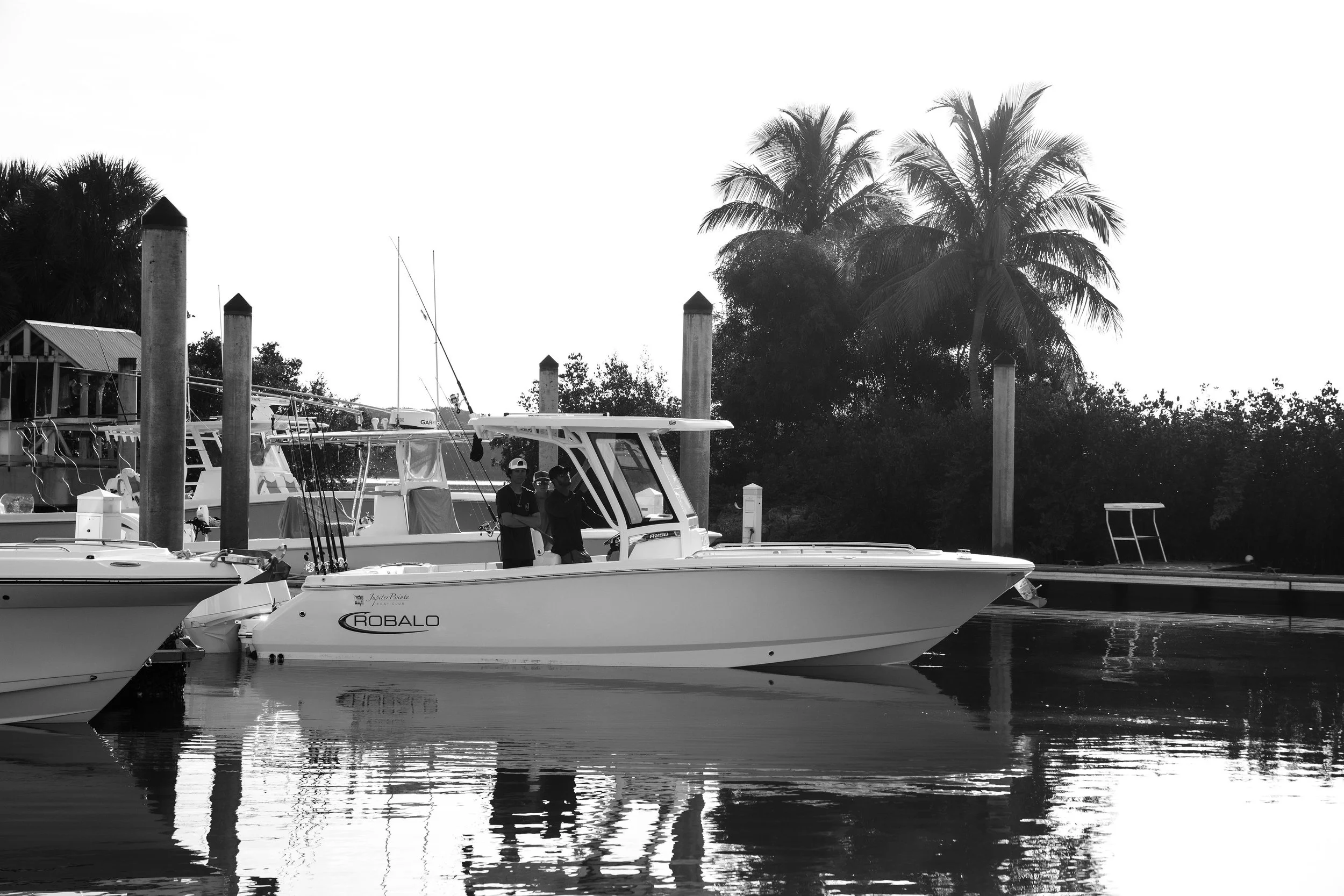
Even if your boat appears perfectly fine after a storm, give it a closer look before heading out. Heavy rain and wind can expose issues that aren't immediately obvious from the dock. A proper boat inspection after a storm should include checking batteries, electrical systems, bilge areas, lines, electronics, and other equipment you rely on while underway. If the boat was stored elsewhere during the storm, inspect it carefully once it returns rather than assuming that everything remained untouched.
Look Beyond Obvious Storm Damage
Major damage is usually easy to notice. It's the smaller issues that can sneak up on you. Water intrusion, loose fittings, damaged canvas, electrical problems, or equipment that shifted during severe weather may not immediately catch your attention. Part of good South Florida boating safety is resisting the temptation to rush through the inspection because everyone is excited to leave. Ten extra minutes at the dock can be much better than discovering a problem once you're already underway.
Check Your Safety Gear Again
This is also a good opportunity to check your onboard safety equipment. Make sure life jackets, signaling equipment, fire extinguishers, communication devices, and other required gear are where they should be and ready for use. Storm preparation can involve moving equipment around, removing items from a boat, or securing things differently than usual. Before your first Jupiter boating trip after severe weather, make sure everything has returned to its proper place.
Pay Extra Attention to Local Waterways
Familiarity can sometimes work against boaters after a storm. When you've traveled the same stretch of the Intracoastal countless times, it's natural to expect everything to look and behave exactly as it did before. After significant weather, however, conditions deserve a fresh look. Intracoastal boating in Jupiter may involve unexpected debris, altered visibility, stronger-than-normal currents, or activity from cleanup and recovery crews.
Give Docks, Ramps, and Shorelines a Closer Look
Your boat isn't the only thing that may have been affected. Docks, pilings, ramps, channel markers, and waterfront structures can sustain damage during severe weather. Before approaching an unfamiliar dock or ramp after a storm, take a moment to inspect the area rather than assuming it's ready for normal use. If you see damage or cleanup activity, give workers plenty of room and choose another location when necessary.
Use Extra Caution Around Jupiter Inlet
Conditions around an inlet can demand respect on an ordinary day, and that becomes even more important following tropical weather. Offshore swell, currents, tides, wind, and boat traffic can combine to create challenging conditions. Jupiter Inlet boating should always be approached based on current conditions rather than what the inlet looked like yesterday or the last time you went through. If anything feels beyond your experience, vessel capability, or comfort level, turning around is good seamanship not a ruined boating day.
Give South Florida's Waterways Time to Recover
We understand the temptation to get back out there. At Jupiter Pointe, our family and team love being on the water too, and after several days of watching forecasts and waiting for bad weather to move through, everybody is ready for a little sunshine. But part of enjoying boating year after year is knowing when patience makes sense. Boating after a hurricane isn't about getting back on the water as quickly as possible. It's about getting back out when conditions are appropriate.
Blue Skies Don't Always Mean Green Light
One of the most useful habits a boater can develop during hurricane season is separating the weather overhead from the conditions on the water. A gorgeous morning can still come with offshore swell, strong currents, debris, or lingering advisories. Check reliable marine information, listen to local guidance, inspect your boat, and pay attention to what you see once you leave the dock. There's no prize for being the first boat back out after a storm.
Make Your First Trip Back a Safe One
Hurricanes and tropical storms are part of life in South Florida, but they don't have to take the enjoyment out of boating season. A little patience and preparation can go a long way once the weather clears. Before returning to the water, check current forecasts, inspect your boat and safety equipment, watch carefully for debris, and treat familiar waterways as though conditions may have changed. At Jupiter Pointe, we believe the best boating days are the ones everyone comes home from safely and there will always be another beautiful Jupiter day waiting when the water is ready.
